
Key Points of The Catch
- Buildings constructed before June 1981 fall under the “old seismic standards.”
- Japan has experienced large earthquakes repeatedly, prompting continuous legal revisions.
- Certain areas mandate seismic retrofitting.
- Higher insurance premiums and the costs of seismic reinforcement come into play.
Japanese real estate can sometimes seem inexpensive compared to other countries. However, the underlying reasons are deeply tied to Japan’s strict seismic regulations and the country’s cultural and economic circumstances—a result of it being a “land of frequent earthquakes.”
Understanding Japan’s Seismic Regulation System
Japan is known for its frequent seismic activity, which is why it has some of the world’s most advanced seismic regulations. Referred to in Japanese as “taishin seido,” this framework forms a critical backbone for construction safety standards nationwide. For those planning to live in Japan, invest in property, or simply learn how this earthquake-prone country protects lives and assets, understanding the fundamentals of Japan’s seismic code can be immensely beneficial.
Historically, Japan’s Building Standard Law was relatively simple up until the mid-20th century. However, as seismic engineering progressed and large-scale earthquakes inflicted severe damage on buildings, Japanese authorities continuously updated the law to incorporate the latest knowledge. Notably, Japanese buildings are classified as either “old seismic standards” (built before 1981) or “new seismic standards” (built after 1981), a distinction that significantly impacts their value. Following the 1995 Great Hanshin-Awaji Earthquake, which caused widespread destruction in Kobe and surrounding areas, the government further strengthened the seismic requirements to ensure new structures could withstand intense ground motion.
Mandatory Seismic Reinforcement along Major Roads of a Certain Width
In Tokyo and other major cities, buildings located on roads designated as key emergency transport routes or specially planned roads (those exceeding a certain width) are subject to ordinances requiring seismic diagnosis and retrofitting. Such roads are vital for emergency vehicles and the delivery of relief supplies in the event of a disaster, necessitating robust seismic performance to prevent building collapse onto the roadway. Owners of older buildings designed under the old seismic standards face steeper retrofitting costs, which can drive down property prices.
Impact on Insurance Premiums and Reinforcement Costs
Naturally, properties with lower seismic performance tend to carry higher earthquake insurance premiums. The cycle of increased premium costs leading to lower buyer interest, which in turn depresses property prices, is common.
Additionally, various retrofitting methods come with their own price tags, as outlined below.
Taishin (Seismic Resistance)
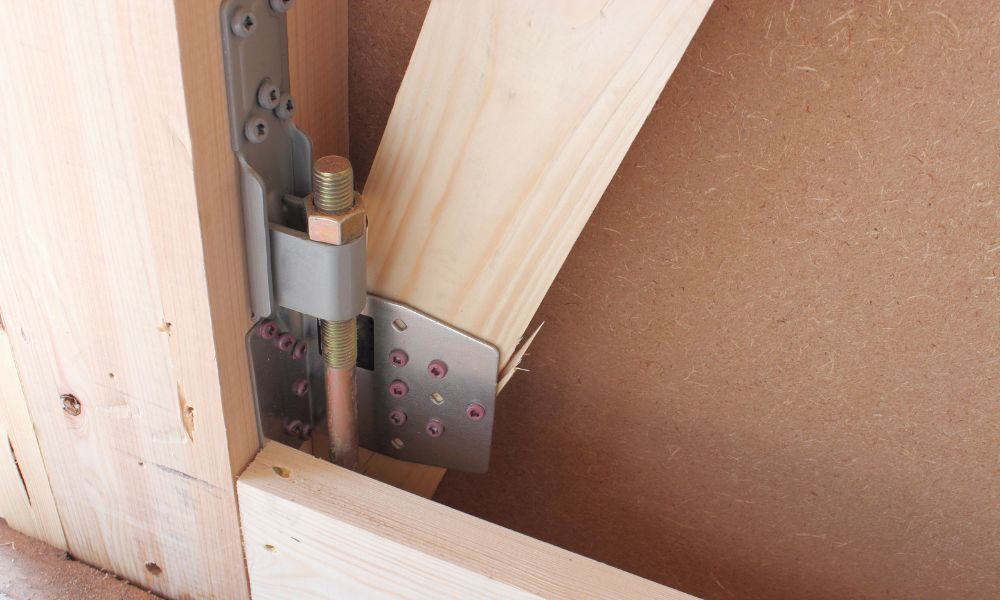
- Overview: Reinforcing key structural elements like beams, pillars, and walls so they can withstand seismic forces.
- Construction Time (Example for Wooden Houses): About 1–2 months
- Estimated Cost (Example for Wooden House): ¥500,000–¥1,500,000
- Costs vary based on the home’s age, deterioration, and how many sections need reinforcement.
- Key Point: Strengthening the building’s frame can significantly reduce the risk of collapse at a relatively modest cost. Often, only the most critical reinforcements are carried out.
Seishin (Vibration Control)
- Overview: Installing dampers or shock absorbers that absorb seismic energy, reducing shaking.
- Construction Time (Example for Wooden Houses): About 1–2 months (often done alongside seismic reinforcement)
- Estimated Cost (Example for Wooden Houses): ¥1,000,000–¥2,500,000
- Costs vary depending on the types and number of dampers installed.
- Key Point: When used in tandem with basic reinforcement, vibration control can further minimize shaking, easing the structural load and fears of residents.
Menshin (Base Isolation)
- Overview: Positioning the entire building on isolators (e.g., base isolation devices) to minimize the transfer of ground motion to the building.
- Construction Time: About 2–4 months or more, as it is a large-scale project.
- Estimated Cost (Example for Wooden Houses):¥3,000,000–¥5,000,000
- Costs vary depending on the types and number of dampers installed.
- Key Point: Of the three approaches, base isolation is the most effective at reducing seismic impact on the building, though adding it to an existing structure can be quite extensive in terms of both time and money.
Note: The costs mentioned above are only rough estimates. Labor and materials differ between urban centers and regional areas, so the same project can vary widely in cost. Moreover, factors such as a house’s age, its existing condition, and the results of a seismic diagnosis can affect how extensive (and thus expensive) the necessary work will be. For more precise information, please consult a professional.
Conclusion
The perception that “Japanese real estate is cheap” is partly attributable to the large number of pre-1981 buildings on the market, mandatory seismic reinforcements along major roads, and higher insurance premiums—factors unique to a nation well-accustomed to earthquakes. With each significant quake, Japanese law undergoes revisions, intensifying the difference in value between properties built under older and newer standards.
Yet, purchasing an inexpensive older property may come with costly seismic retrofitting or base isolation work, adding to your overall expenses in the long run. On the other hand, buildings that have undergone thorough retrofitting—or those that already meet the latest seismic code—offer not just greater safety but also more stable long-term value.
For anyone considering a real estate purchase in Japan, it’s essential to understand the distinction between properties built before and after 1981, each municipality’s specific ordinances (such as mandatory reinforcement on major roads), and the timeline and costs associated with different seismic reinforcement methods. Armed with this information, you can gauge the true value of properties that appear “cheap” and make informed decisions about potential future risks and expenses.
Looking for the perfect property in Japan? Let us help you find it! Feel free to reach out via our contact form. We provide comprehensive support from property search to finalizing the purchase contract.